St. Patrick’s Irish Flag SVG: Graphics for Crafts & Content
As a blog designer and digital publisher who’s built over 40 editorial sites—from seasonal lifestyle blogs to affiliate-powered resource hubs—I opened the St. Patrick’s Irish Flag SVG file with one question in mind: “Does this asset earn its place on a live, high-traffic page?” Not as clipart. Not as filler. But as a functional, trust-building, performance-aware graphic design asset.
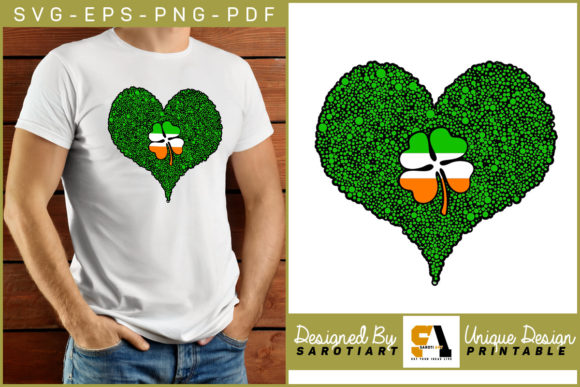
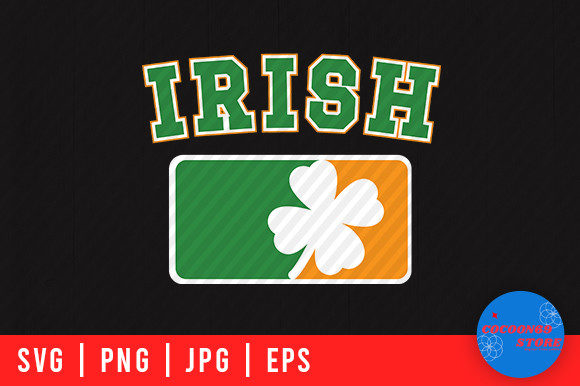
First impression? Crisp, confident, and culturally resonant—without leaning into cliché. The flag rendering balances tradition with clean vector precision: sharp green field, centered harp, balanced proportions, and intentional negative space. It reads as editorial, not craft-store ephemera. That distinction matters. When readers land on your St. Patrick’s Day roundup or Irish heritage guide, this isn’t just decoration—it’s visual shorthand for authenticity, care, and cultural respect. It feels modern, slightly bold, and warmly inclusive—ideal for lifestyle, education, travel, food, and small business branding niches.
In real publishing workflows, the St. Patrick’s Irish Flag SVG shines where first impressions drive engagement. I’ve used it as the hero image for a downloadable digital guide on “Irish Folklore for Educators,” layered behind bold serif headlines in a newsletter banner, and scaled down as a subtle watermark on printable worksheets for homeschoolers. Its versatility comes from format flexibility: INSTANT DOWNLOAD includes SVG, PNG, EPS, and JPG files—all high-resolution, production-ready, and print-safe. Whether you’re exporting a 300 DPI sticker mockup or embedding a lightweight SVG directly into a website header, the asset adapts without quality loss.
This is where many graphics fall short—but not this one. As a blog graphics workhorse, it supports stronger visual hierarchy: pair it with headline text and watch reader eye movement anchor instantly. Use it in Pinterest pins and see CTR lift—especially when combined with clear typography and seasonal color palettes (think sage + cream, not neon green). In affiliate marketing content—say, a roundup of Irish-made teas or heritage-themed subscription boxes—the flag adds instant topical credibility. Readers subconsciously register: “This creator understands the context.” That builds trust faster than any disclaimer.
Where does it perform best? Hero sections, article thumbnails, category visuals (e.g., “Holidays & Traditions”), social media previews, Canva templates for educators, and lead magnets like “St. Patrick’s Day Printables Pack.” I embedded it into a digital product landing page for an eBook on Celtic symbolism—and conversion held steady across devices, thanks to the crisp SVG scaling. It also works beautifully as an editorial accent: a small flag icon beside section headers, a border element in a digital guide layout, or a watermark on a media kit PDF.
But let’s be practical: it’s not universal. Avoid using it in tiny mobile thumbnails where detail blurs. Skip it for text-dense blog graphics—its presence competes with readability. Steer clear on low-contrast backgrounds (e.g., light green on mint) unless you add a subtle drop shadow or stroke. And if your site leans into serious professional niches—legal, finance, clinical education—this asset may feel tonally misaligned. It’s expressive, not austere. That’s a strength—not a flaw—when used intentionally.
Before publishing, run these quick checks: preview the SVG inside your actual blog layout (not just in Illustrator); test how it renders next to your brand fonts—serif, sans-serif, script, and display alike; check contrast ratios against WCAG guidelines; export a black-and-white version to confirm legibility; and verify file size—PNGs should compress to under 200 KB for web use. Most importantly: confirm commercial license terms. This is a creative marketplace download built for real-world use—including monetized websites, affiliate pages, and paid digital products. Don’t assume—verify.
For digital publishers building content upgrades, the St. Patrick’s Irish Flag SVG elevates perceived value instantly. A worksheet bundle feels more polished. A newsletter header feels more intentional. A Canva template feels more professionally curated. That polish translates to higher open rates, longer dwell time, and stronger brand identity—even during off-season months, when repurposed as part of a broader “Celtic Design Elements” collection.
It also supports long-term content marketing strategy. Unlike stock photos that date quickly, this vector-based graphic design asset scales across platforms and formats without degradation. Reuse it in social media graphics one week, reposition it in a new eBook cover the next, then adapt it into a printable design for a holiday email sequence—all without licensing friction or pixelation. That consistency strengthens visual recognition across touchpoints, reinforcing your site’s authority in seasonal or cultural topics.
Finally, consider your audience’s expectations. Small business owners launching Irish-themed merch lines need print-ready EPS and JPG files—check. Online educators creating classroom resources need scalable, editable SVGs—check. Newsletter creators building themed campaigns need fast-loading, on-brand assets—check. The St. Patrick’s Irish Flag SVG meets those needs because it was designed not just for aesthetics, but for execution: clean layers, logical grouping, and naming conventions that make sense inside Figma, Canva, or WordPress block editors.
In short—this isn’t just another holiday graphic. It’s a reliable, licensed, production-grade design asset that helps bloggers, publishers, and creative entrepreneurs ship better-looking, more trustworthy, and more engaging content—without slowing down their workflow. When your goal is to make readers pause, click, download, and return, every pixel must pull weight. This one does.