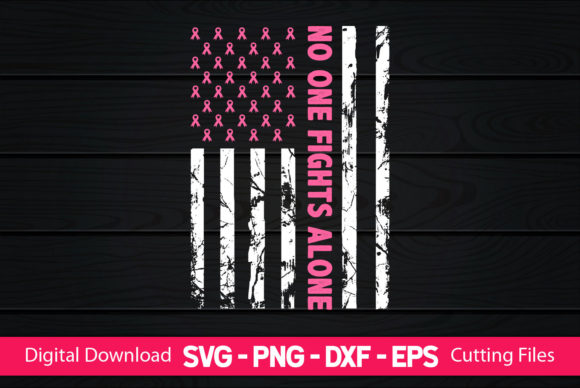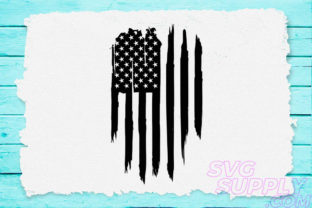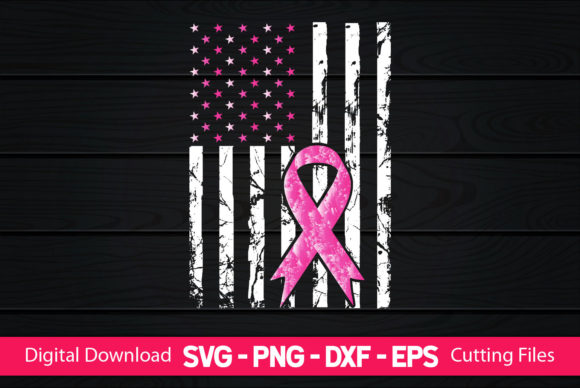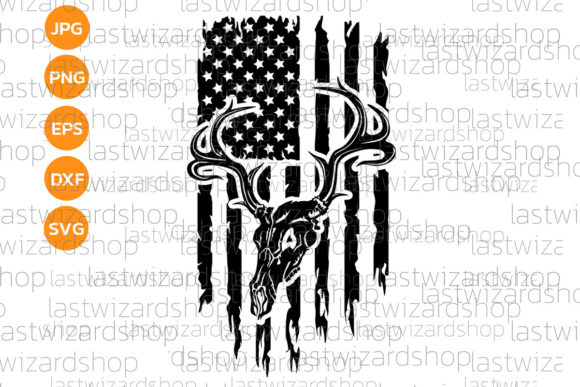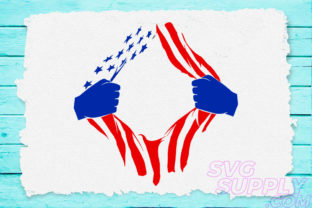
American Flag Torn
First Impressions: Raw, Patriotic, and Purpose-Built
When I opened American Flag Torn for the first time, what struck me wasn’t just the graphic—it was the *intention*. This isn’t a polished, symmetrical flag for formal displays. It’s frayed edges, uneven rips, and deliberate asymmetry—designed to evoke resilience, history, and handmade authenticity. As an embroidery designer who’s stitched hundreds of flags for custom apparel, boutique patches, and personalized gifts, I immediately saw its niche: not for corporate uniforms or school spirit gear, but for small-batch, emotionally resonant pieces—think hand-embroidered baby onesies for July 4th, distressed sweatshirts for veteran-owned shops, or rustic kitchen towels for farmhouse-style boutiques.
Real-Life Test: A Custom Embroidered Tote Bag for a Local Craft Fair
Last month, I used American Flag Torn on a natural canvas tote bag for a client launching a small shop selling patriotic-themed handmade goods. We chose a medium-density fill stitch with subtle satin-stitched edges along the tears to catch light without overwhelming the fabric’s texture. The result? A design that looked intentionally aged—not sloppy, not overworked—just honest. Customers paused at the booth not because it screamed “flag,” but because it felt *lived-in*. That’s the quiet strength of this design: it invites storytelling, not just recognition.
Where It Shines—and Where It Needs Thoughtful Handling
American Flag Torn excels in projects where character matters more than crisp perfection. It works beautifully on:
- Sweatshirt embroidery—especially midweight fleece, where the torn edges soften naturally into the fabric pile
- Embroidered patches—stitched onto denim jackets or backpacks, where the irregular shape adds visual interest
- Baby embroidery—on organic cotton onesies (using low-stitch-density fill and soft thread) for gentle, meaningful holiday gifts
- Tote bag design and tea towel embroidery—where scale allows the rips to read clearly without distortion
- Holiday embroidery and wedding gifts—for couples incorporating heritage or military service into their celebrations
But it demands attention in trickier contexts. On stretchy fabric like jersey t-shirts, the torn outlines can blur if stabilizer isn’t layered thoughtfully. On dark fabric, contrast becomes critical—test thread colors early, especially for the white stars and stripes. And on curved surfaces like caps? The topmost tear may compress or distort unless you adjust placement and hoop size accordingly. Tiny lettering isn’t part of this design (a relief), but fine details like frayed corners still need checking at actual stitch-out size—not just on screen.
What It Adds to Your Finished Product—Beyond Aesthetics
This isn’t just a machine embroidery design; it’s a tone-setter. When customers see American Flag Torn on a handmade product, they don’t just register “patriotic.” They sense care—the choice to use something imperfect, intentional, and tactile. That builds trust. For Etsy sellers and craft business owners, that translates directly to perceived value: a $35 embroidered apron feels like a collector’s item when stitched with this kind of visual honesty. It also supports brand consistency for makers who lean into authenticity—think rustic home goods, veteran-focused apparel, or heirloom baby lines. And yes, it boosts buyer engagement: people tag friends, ask about the story behind the rip, and remember the maker—not just the motif.
Practical Embroidery Designer Notes You’ll Want to Keep Handy
Before stitching American Flag Torn, here’s what I always do—and recommend you do too:
- Test on scrap fabric first—especially if using textured or lightweight material. See how the tears translate in thread.
- Review stitch density. High-density fills can flatten the torn effect; consider reducing fill % by 10–15% for breathability on apparel.
- Confirm hoop size compatibility. This design’s width and irregular shape may require a 5x7" or larger hoop for full clarity—check your file’s dimensions before loading.
- Inspect small details in your embroidery software: are star points sharp? Do frayed ends taper cleanly? Zoom in—you’ll catch what your eye misses on screen.
- Test black-and-white mockups. Does it hold up in monochrome? That tells you whether contrast and shape alone carry the idea—critical for dark garments or minimalist branding.
- Compare light vs. dark fabric backgrounds. White thread on navy reads differently than red thread on cream—adjust color palettes accordingly.
- Use proper stabilizer. Tear-away works for stable fabrics like canvas; cut-away is safer for knits or delicate items like baby clothes.
- Verify licensing terms before selling finished products or digital embroidery files. Since this is listed as a Graphics asset in Crafts, confirm whether commercial use is included—or if attribution or limits apply.
Final Thought: Not Just a Flag—A Design Decision
American Flag Torn doesn’t ask to be everywhere. It asks to be chosen—by the small shop owner curating meaningful merchandise, the Etsy seller building a signature style, the embroiderer who knows that sometimes, the most powerful statement isn’t clean—it’s real. It’s not a quick-add graphic. It’s a considered element: one that elevates a custom apparel piece from “nice” to “unforgettable,” and turns a simple embroidered patch into a conversation starter. If your craft business values intention over imitation—and your customers respond to authenticity over polish—this is a digital embroidery file worth keeping in your working library.