Clip Art Pirate Flag
A Designer’s First Look: Bold, Playful—but Built for Stitching?
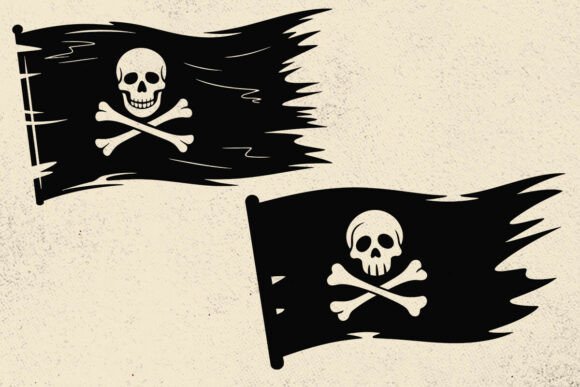
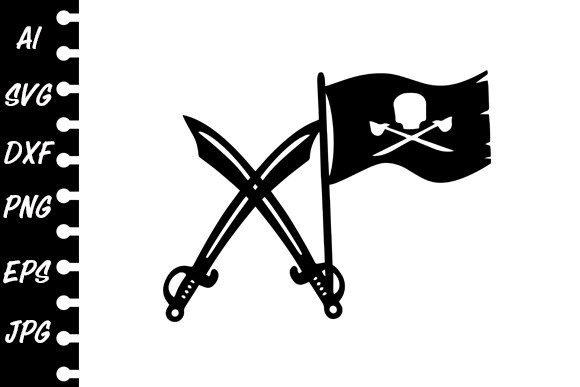
When I opened Clip Art Pirate Flag for the first time, my eye went straight to the silhouette: a classic Jolly Roger with clean lines, balanced negative space, and that unmistakable swagger. It doesn’t try to be photorealistic—it leans into graphic simplicity, which is exactly what makes it promising for embroidery. As a designer who’s stitched hundreds of pirate-themed pieces—from baby onesies to boutique aprons—I immediately asked: *Will this hold up under needle and thread? Will it read clearly at 3 inches wide on a textured tote? Will customers recognize the spirit without squinting?*
Real Project Test: Embroidering It onto a Linen Tea Towel
Last week, I used Clip Art Pirate Flag for a small-batch kitchen line—linen tea towels for a local maker fair. I chose a medium hoop (5” x 7”) and a lightweight cutaway stabilizer. The design stitched cleanly: no thread breaks, no puckering, and the skull-and-crossbones retained crisp edges even in satin-stitched outlines. What stood out was how well the negative space translated—no dense fill stitch muddying the flag’s shape. That’s crucial for natural fabric drape and breathability, especially on items like tea towels or baby bibs where stiffness kills function.
Where It Shines—and Where It Needs Thought
- Custom apparel: Works beautifully on sweatshirts and canvas totes—bold enough for branding, simple enough to avoid stitch crowding.
- Baby embroidery: A playful but not overwhelming choice for onesies or burp cloths—just keep lettering minimal (if any) and avoid tiny crossbone details on sub-3” versions.
- Embroidered patch: Ideal base for an iron-on or sew-on patch; its flat, graphic nature holds up through laundering and wear.
- Holiday or personalized gift: Adds instant charm to pirate-themed birthday gifts, nursery decor, or “Treasure Hunt” party favors—especially when paired with neutral thread (navy on cream, black on oat).
- Etsy seller & small shop product: Stands out in digital mockups and physical displays—not so literal it feels dated, not so abstract it lacks recognition.
Fabric & Fit: Know When to Pause
Clip Art Pirate Flag is forgiving on stable fabrics—cotton duck, midweight linen, twill, and fleece all handled it well. But on stretchy knits (like jersey tees) or ultra-thin cotton (think handkerchiefs), I’d add a tear-away + cutaway hybrid stabilizer and reduce stitch density if possible. On dark fabric, high-contrast thread (white or gold) lifts the design; on light fabric, navy or charcoal keeps it grounded. Curved surfaces—like caps—require careful digitizing adjustments, and since Clip Art Pirate Flag is a graphics file (not pre-digitized embroidery), confirm whether your version includes machine-ready formats before hooping.
Design Integrity in Finished Products
This isn’t just about legibility—it’s about perception. A poorly executed pirate flag reads as “clip art,” not craftsmanship. But when stitched thoughtfully, Clip Art Pirate Flag reads as intentional design: confident, cohesive, and commercially viable. Customers notice the difference—especially handmade buyers who pay a premium for authenticity. On an embroidered pillow cover or boutique apron, it adds personality without shouting. On a child’s backpack or holiday ornament, it feels special, not generic. That balance elevates your entire craft business: trust builds when every detail, including your design assets, feels considered.
Practical Notes Every Embroidery Designer Should Check
- Test Clip Art Pirate Flag on scrap fabric *first*—especially if using textured or dark materials.
- Review thread color contrast: avoid low-difference combos (e.g., grey on heather grey) unless aiming for subtlety.
- Inspect small corners and curves—if they’re too tight, they may not stitch cleanly on home machines.
- Confirm hoop size compatibility: does the design fit comfortably within your most-used hoop, or will you need to resize?
- Check stitch density: overly dense fills can stiffen delicate fabrics—look for balanced fill stitch + outline rhythm.
- Try black-and-white mockups: if it reads well in monochrome, it’ll translate across thread palettes and fabric tones.
- Verify licensing: since it’s labeled for cutting machines, plotters, and print, double-check whether commercial embroidery use (e.g., selling finished embroidered patches) is explicitly permitted.
Final Thought: A Reliable Graphic, Not a Magic Fix
Clip Art Pirate Flag won’t replace thoughtful digitizing—but it *is* a strong starting point. For crafters, Etsy sellers, and small shop owners building consistent, recognizable collections, it delivers visual clarity and thematic cohesion without overcomplicating the workflow. It fits naturally in the Crafts category because it invites making—not just printing. And as a Graphics asset, it bridges digital prep and physical execution: whether you’re prepping a printable mockup, designing a custom apparel line, or stitching a one-of-a-kind personalized gift, it holds its own.
Just remember: great embroidery starts with smart design choices—not just bold ones. With Clip Art Pirate Flag, you get both. Now go stitch something swashbuckling.