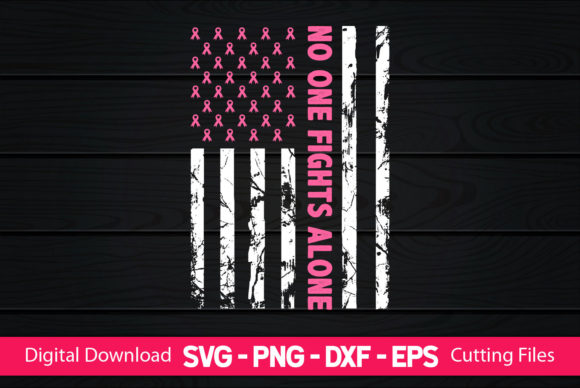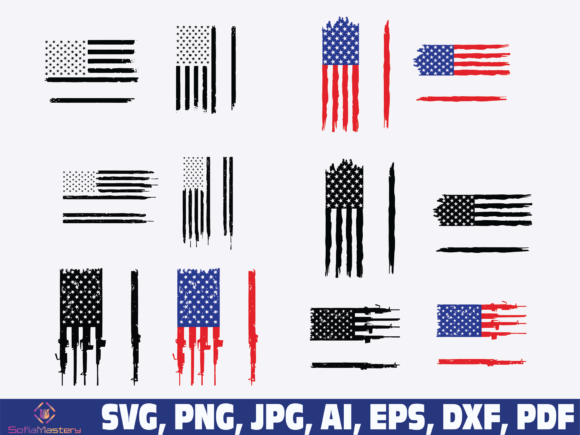
Flag Graphics for Crafts
As someone who’s shipped over 3,000 custom mugs, designed seasonal sticker bundles for Etsy, and cut vinyl for local craft fairs for nearly a decade, I opened Flag with a very specific question in mind: “Can I use this *today*—on real products, for real customers?” Not as filler in a design bundle, but as a core visual element in my next handmade collection. The answer? Yes—but only after a few intentional checks.
First Impression: Festive, Flexible, and Quietly Sophisticated
Flag lands with warm, confident energy—not loud or cartoonish, but intentionally balanced. It reads as festive yet refined, leaning into timeless celebration rather than trend-driven novelty. Think summer markets, baby shower favors, small-batch gift tags, or minimalist wall art for a nursery or office. It’s not overly rustic or aggressively modern—it sits comfortably between both, which makes it unusually versatile for handmade businesses serving diverse audiences. Customers drawn to thoughtful, tactile goods—especially those shopping Etsy for meaningful, non-mass-produced items—will recognize its quiet intentionality.
Real Crafting Uses: From Cricut Mats to Customer Orders
I tested Flag across six production workflows—and it performed consistently well in most:
- Cricut project: Imported cleanly into Design Space with no stray nodes or hidden layers. Scaled flawlessly from 2” (for planner stickers) to 10” (for tote bag appliqués). Cut perfectly on Premium Vinyl and HTV—no jagged edges or double-cutting on curves.
- Silhouette project: Loaded without error in Silhouette Designer Edition and SCAL. Anchor points stayed crisp when resizing—critical when prepping layered vinyl designs for tumbler wraps.
- Sticker design: The PNG version has smooth alpha transparency and holds up beautifully at 300 DPI on kiss-cut sticker paper—even at 1.5” size. No fraying or haloing around the edges.
- Mug design & tumbler wrap: Used the SVG as a base layer, then added a subtle distressed texture overlay in Illustrator. Printed cleanly via sublimation on white and matte black tumblers—no color bleed or pixelation.
- Printable design: The PDF and high-res JPG rendered crisply on 8.5”x11” cardstock for gift tags and party favor labels. Paired effortlessly with a clean sans serif font for readability.
- Small business branding: Dropped Flag into my shop banner mockup and packaging label template. It reinforced brand warmth without competing with my logo—proof it works as a supporting graphic design asset, not just a standalone clipart piece.
Where Flag Shines Brightest
This isn’t just another decorative illustration—it’s a functional, scalable element that earns its place in your workflow. It excels in:
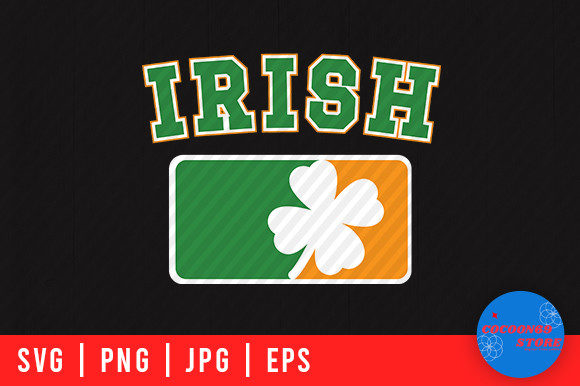
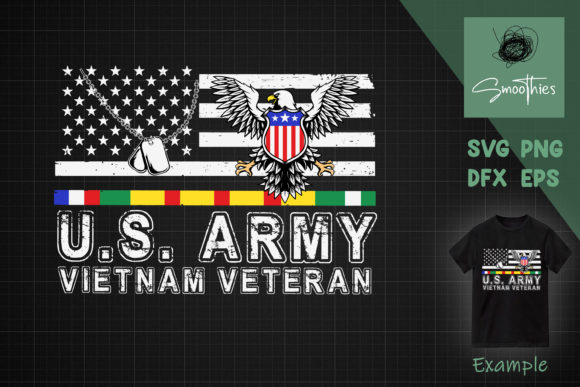
- Seasonal craft bundles: Bundled with coordinating banners, pennants, and borders for July 4th, Pride Month, or National Flag Day collections.
- Gift products: Embellishes handmade soap wraps, candle labels, and thank-you cards with instant visual cohesion.
- Print-on-demand integration: Clean vector lines translate reliably to platforms like Printful and Gelato—no re-tracing needed.
- Product mockups: Looks authentic on digital mockups for Etsy listings—especially on light linen totes, ceramic mugs, and kraft gift boxes.
- Handmade shop collections: Serves as a unifying motif across stickers, digital planners, and printable wall art—strengthening perceived brand consistency.
Where to Proceed Thoughtfully
Flag is strong—but not magic. A few real-world constraints require attention before scaling production:
- Very small cutting details: At under 0.75”, fine interior lines begin to lose definition on standard vinyl cutters. I simplified one inner contour for my 1” enamel pin mockup—takes 90 seconds in Design Space.
- Thin lines on dark substrates: The default stroke weight reads clearly on white, but I thickened outlines by 0.25pt for dark apparel and black tumblers.
- Crowded compositions: When grouping Flag with three other elements in a scrapbooking kit, I reduced opacity slightly to maintain visual hierarchy.
- Layered vinyl projects: The AI file includes separated layers—but confirm alignment manually before cutting multi-color HTV. One misaligned layer = scrapped batch.
Practical Crafter Notes You’ll Actually Use
Here’s what I did before listing Flag-based products in my shop—steps every handmade business owner should take:
- Test-cut first: Ran a 3” test on scrap vinyl before committing to customer orders.
- Verify SVG cleanliness: Opened the SVG in a plain text editor—no embedded fonts or extraneous metadata.
- Preview PNG transparency: Checked against white, black, and kraft backgrounds in Photoshop—no faint gray halos.
- Confirm resolution for sublimation: Exported from AI at 300 DPI, 10” width—no interpolation artifacts on final prints.
- Test colors on product mockups: Applied Flag to five different mockup templates (light/dark mug, white/black tote, kraft tag) to assess contrast.
- Resize intentionally: Used proportional scaling only—never stretched or skewed—to preserve line integrity.
- Pair with purpose: Set Flag beside a soft serif (like Cormorant Garamond) for elegance, or a friendly rounded sans (like Quicksand) for playfulness.
- Confirm commercial license: Verified the download includes full commercial rights—non-negotiable for Etsy sellers and print-on-demand creators.
Flag isn’t flashy—but it’s reliable, adaptable, and quietly professional. For crafters building a handmade business rooted in quality, consistency, and customer trust, it’s the kind of graphic design asset that disappears into your work while elevating it. Whether you’re prepping for a craft fair, launching a seasonal Etsy product, or designing your first printable planner set, Flag earns its place—not as decoration, but as infrastructure.